The importance of partnering with an experienced Aluminum Foundry
Wiki Article
Discovering the Versatile Uses and Applications of Aluminum Castings in Modern Industries
Aluminum spreadings have actually become integral to numerous contemporary markets due to their special homes. They offer considerable advantages in weight reduction, thermal conductivity, and deterioration resistance. From automotive innovations to applications in durable goods and building, their flexibility is exceptional. The true degree of their influence prolongs past prompt advantages, hinting at wider effects for sustainability and efficiency. What lies in advance for light weight aluminum castings in an ever-evolving commercial landscape?Automotive Market Innovations
The automotive market has progressively accepted aluminum spreadings to enhance lorry performance and effectiveness. By using light weight aluminum, suppliers can produce lighter parts, which add to enhanced gas economic climate and lowered exhausts. Key applications consist of engine blocks, transmission instances, and structural components, where the material's strength-to-weight ratio provides toughness without adding excess weight.Light weight aluminum spreadings likewise supply premium thermal conductivity, which assists in much better warm dissipation, thus boosting engine performance. Innovations in casting innovations, such as die casting and sand casting, allow the production of complex geometries, enabling for cutting-edge styles that enhance space and performance.
The recyclability of aluminum lines up with sustainability objectives in the automobile industry, promoting eco friendly methods. As the sector remains to innovate, using aluminum spreadings is likely to expand, driving further advancements in lorry style and effectiveness.
Aerospace Applications and Developments
While the aerospace market proceeds to prioritize weight reduction and gas effectiveness, light weight aluminum castings have become a vital product option for different applications. Their light-weight nature, combined with high strength-to-weight ratios, enables substantial renovations in aircraft efficiency and effectiveness. Light weight aluminum castings are frequently made use of in structural parts, such as fuselage structures and wing components, where lowering weight is crucial.Current developments in aluminum spreading technologies, including enhanced alloy solutions and precision spreading techniques, have actually additionally enhanced the material's performance capacities. These advancements enable the manufacturing of intricate geometries and detailed styles while keeping architectural integrity. Additionally, light weight aluminum's exceptional corrosion resistance warranties longevity and dependability in extreme aerospace environments.
As the aerospace sector increasingly accepts sustainability, aluminum castings offer a recyclable service that straightens with environmentally friendly practices, making them a crucial component in the development of next-generation aircraft.
Durable Goods and Everyday Products
As customers progressively look for light-weight yet durable products for day-to-day products, aluminum castings have gotten appeal in numerous consumer items. The one-of-a-kind properties of aluminum, including its resistance to rust and outstanding thermal conductivity, make it an ideal choice for things like pots and pans, household devices, and outside gear. For instance, light weight aluminum cast frying pans and pots give also warm circulation, enhancing cooking performance. Additionally, using aluminum in things such as bicycle structures and baggage assures a balance in between strength and portability. Makers appreciate light weight aluminum castings for their adaptability, as they can be easily molded right into complex forms while maintaining architectural integrity. Additionally, the capability to recycle light weight aluminum without weakening its residential properties aligns with growing customer preferences for lasting products. In general, light weight aluminum spreadings are integral to the production of durable, useful, and visually pleasing consumer goods, satisfying the needs of modern way of livings.Building And Construction and Architectural Makes Use Of
Light weight aluminum castings have come to be an essential component in building and architectural style, particularly as a result of their strength and lightweight nature. These residential or commercial properties make aluminum an optimal choice for numerous applications, including structural elements, exteriors, and ornamental functions - Wisconsin Aluminum Foundry. Engineers and contractors progressively make use of aluminum castings for home window structures, doors, and roof covering systems, improving both capability and visual appeals. The product's resistance to corrosion additionally expands its life expectancy, minimizing upkeep costs and making certain longevity in varied ecological conditionsLight weight aluminum can be quickly molded right into detailed styles, allowing for cutting-edge architectural expressions. Its convenience helps with the development of custom items that meet certain style needs, from elaborate railings to intricate assistances. As sustainability becomes a top priority, aluminum's recyclability includes in its allure in environment-friendly building methods. Generally, light weight aluminum spreadings are changing the building industry by giving light-weight, long lasting, and aesthetically enticing services.
Electrical and Digital Components
Light weight aluminum castings play an important function in the production of lightweight electrical rooms, which improve mobility and efficiency in different applications. Additionally, their superb thermal conductivity makes them optimal for warmth sinks, guaranteeing peak efficiency and longevity of digital parts. Aluminum's conductive residential properties add to its use in numerous electric conductors, highlighting its importance in modern innovation.Light-weight Electric Enclosures
Lightweight electrical rooms play an essential function in protecting delicate electronic components from environmental variables and physical damage. Built from light weight aluminum castings, these enclosures are valued for their strength-to-weight ratio, making them perfect for numerous applications across markets. Their light-weight nature aids in decreasing general system weight, which is crucial in mobile and mobile electronic devices. Aluminum's deterioration resistance enhances toughness, expanding the life-span of the enclosed components. The capability to mold and mildew aluminum right into intricate forms permits for tailored styles, providing to certain needs while guaranteeing efficient warm dissipation. Additionally, these rooms can be quickly incorporated into existing systems, supplying adaptability and adaptability in modern technological atmospheres. Generally, lightweight aluminum enclosures substantially contribute to the effectiveness of electronic tools.Warm Sinks and Conductors
While numerous products are utilized in digital parts, aluminum castings stick out for their efficiency in warmth administration as warm sinks and conductors. Their outstanding thermal conductivity enables effective warmth dissipation, which is important in stopping the getting too hot of digital gadgets. Light weight aluminum's light-weight nature further enhances its viability for applications where weight is a significant variable, such as in aerospace and automotive markets. In addition, light weight aluminum castings can be easily molded into complicated forms, giving layout versatility for optimizing thermal performance. The deterioration resistance of aluminum likewise contributes to the long life and dependability of these elements in various environments. As innovation developments and tools come to be more small, the demand for efficient warm management services, like light weight aluminum spreadings, proceeds to grow.Marine Industry Use
The marine market progressively counts on light weight aluminum castings for their phenomenal sturdiness and rust resistance. These residential properties make aluminum an ideal choice for different applications, consisting of watercraft hulls, engine parts, and marine hardware. The light-weight nature of light weight aluminum spreadings makes it possible for enhanced fuel effectiveness and less complicated ability to move in boat, which is necessary for both leisure and commercial vessels.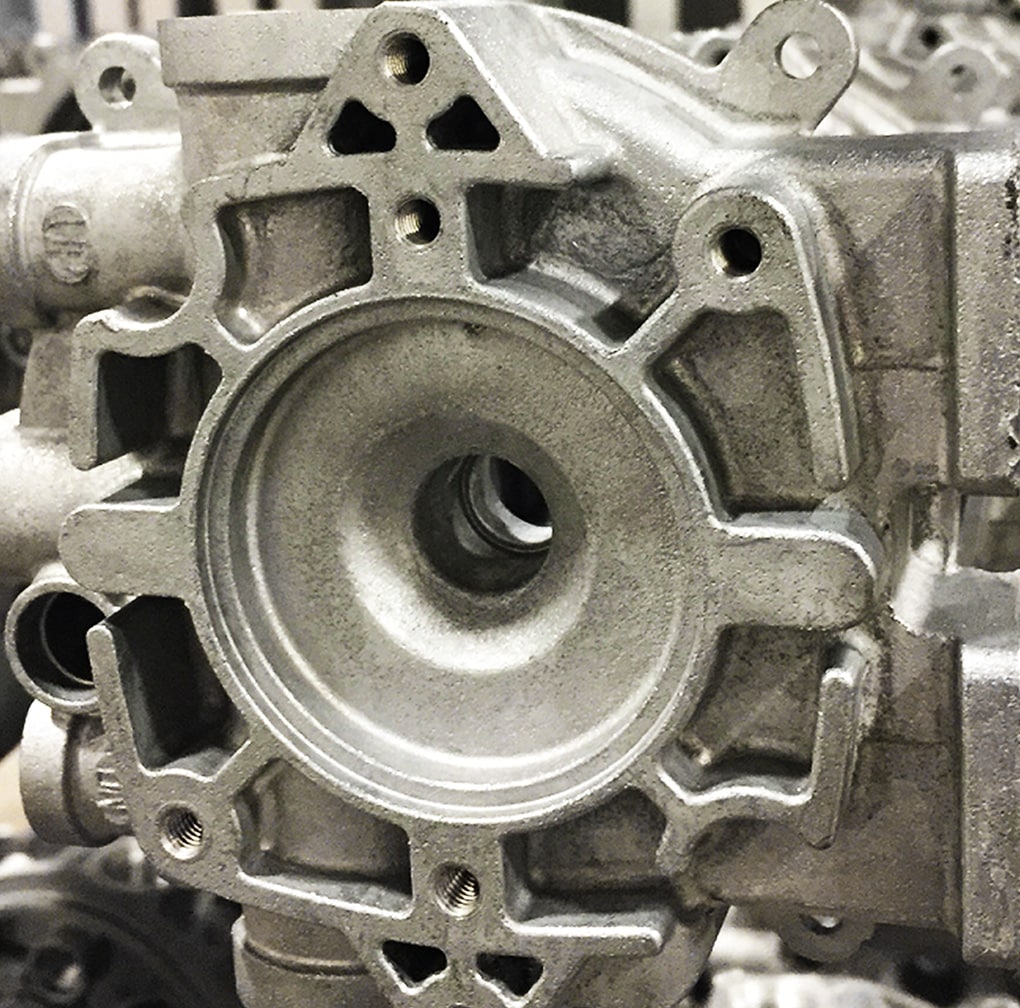
Aluminum castings also supply significant price benefits due to their long life expectancy and reduced upkeep requirements, decreasing the total functional expenditures for marine drivers. Furthermore, the convenience of light weight aluminum enables intricate styles that can meet particular efficiency needs.
Producers in the marine market use innovative casting strategies to produce complicated forms, guaranteeing that parts satisfy rigorous safety and efficiency requirements. As the demand for high-performance marine vessels expands, aluminum spreadings are placed as a crucial material in boosting the capability and long life of marine tools.
Sustainability and Recycling in Light Weight Aluminum Casting
Light Weight Aluminum Recycling Refine
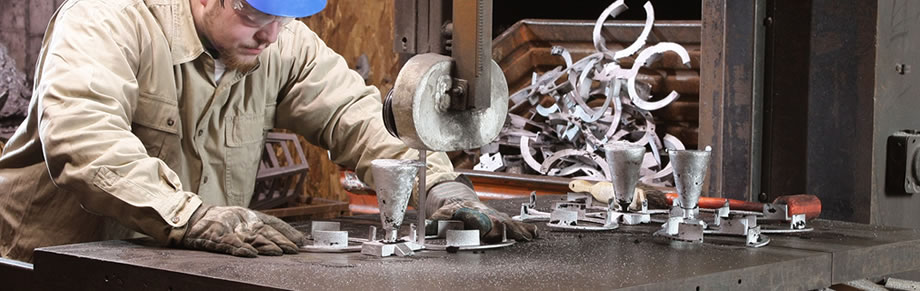
Reusing aluminum plays an important function in reducing ecological impact and saving resources within the casting market. The aluminum recycling procedure begins with the collection of scrap light weight aluminum, which can consist of old elements, producing waste, and post-consumer products. This scrap is after that sorted, cleansed, and shredded into tiny pieces to promote melting.Once prepared, the light weight aluminum scrap is melted in a furnace at lower temperatures than main light weight aluminum production, substantially minimizing energy consumption. The liquified aluminum is after that cast into ingots or other forms for reuse in different applications - Wisconsin Aluminum Foundry. This closed-loop system permits the efficient recovery of aluminum, protecting its homes while lowering the need for virgin products. The recycling procedure is an important element of sustainable methods in light weight aluminum spreading.
Ecological Benefits
While aluminum spreading plays a vital function in Metal Castings numerous markets, its environmental advantages are particularly impressive regarding sustainability and source conservation. The light-weight nature of light weight aluminum adds to power effectiveness in transport, lowering fuel usage and exhausts. In addition, light weight aluminum casting facilitates the usage of recycled products, substantially reducing the power required for production contrasted to primary light weight aluminum. This reusing procedure reduces waste and minimizes the ecological impact related to mining and refining raw products. Additionally, aluminum is 100% recyclable without deterioration of its residential or commercial properties, advertising a lasting lifecycle. By choosing light weight aluminum casting, markets can significantly minimize their carbon impact while advertising source effectiveness, making it a necessary choice in the pursuit of eco-friendly production techniques.Closed-Loop Equipments
Frequently Asked Questions
What Are the Trick Advantages of Light Weight Aluminum Castings Over Other Products?
Light weight aluminum spreadings supply lightweight homes, outstanding rust resistance, and high strength-to-weight proportions. They can be easily molded into intricate forms, supply excellent thermal and electrical conductivity, and are economical, making them more suitable over many different products.How Is the Light Weight Aluminum Spreading Process Ecologically Pleasant?
The light weight aluminum spreading process is eco-friendly as a result of its recyclability, reduced power consumption, and lowered waste production. Its capacity to utilize recycled materials minimizes the carbon footprint, promoting sustainability within making practices.What Prevail Obstacles in Light Weight Aluminum Spreading Manufacturing?
Common challenges in light weight aluminum casting production include maintaining dimensional precision, handling thermal tightening, preventing problems like porosity and additions, making certain proper mold style, and optimizing production effectiveness while minimizing product waste and ecological effect.Just How Do Light Weight Aluminum Castings Contrast in Price With Various Other Production Techniques?
Light weight aluminum spreadings usually provide affordable prices compared to other making approaches, particularly for medium to high-volume production. Their reduced preliminary tooling expenditures and effective material usage can lead to beneficial business economics with time.What Future Trends Are Anticipated in Aluminum Casting Modern Technology?
Future trends in light weight aluminum casting technology are expected to consist of innovations in automation, improved alloy structures, boosted reusing approaches, and the assimilation of 3D printing, all targeted at boosting performance, decreasing costs, and decreasing environmental impact.Current innovations in light weight aluminum casting modern technologies, including improved alloy solutions and accuracy casting methods, have further enhanced the product's efficiency capacities. Light weight aluminum castings have actually come to be a vital part in building and building design, especially due to their toughness and lightweight nature. The light weight aluminum recycling procedure starts with the collection of scrap aluminum, which can consist of old elements, manufacturing waste, and post-consumer products. Once prepared, the aluminum scrap is melted in a heater at lower temperature levels than key aluminum production, considerably lowering power usage. In addition, aluminum casting helps with the use of recycled products, significantly decreasing the energy required for manufacturing contrasted to main aluminum.
Report this wiki page